
US sea-line shoe parcel · Updated · 20 photos
Fishgoo US Sea Haul — $86.80 Shipping & 52-Day Transit
Four shoe pairs travelled to the USA by sea for a recorded $86.80 shipping payment. Compare 6.65 kg actual weight, about 9 kg volumetric weight, and 52 days from carrier handover to delivery; these are historical parcel figures.
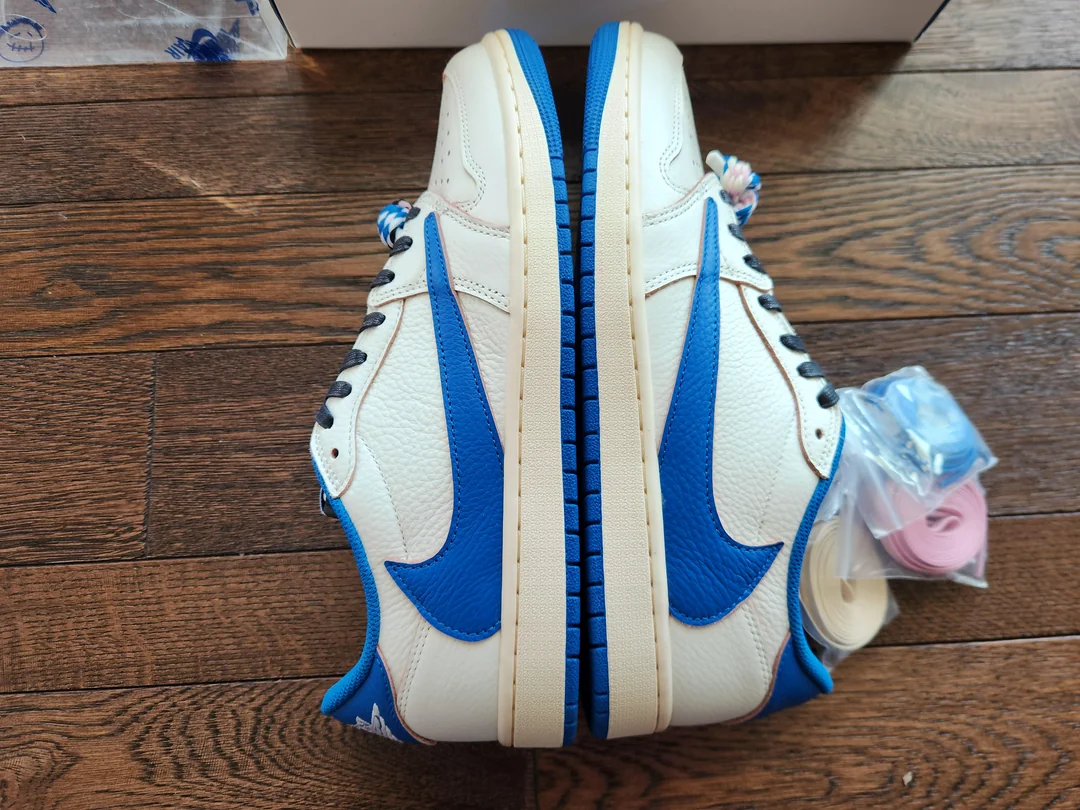
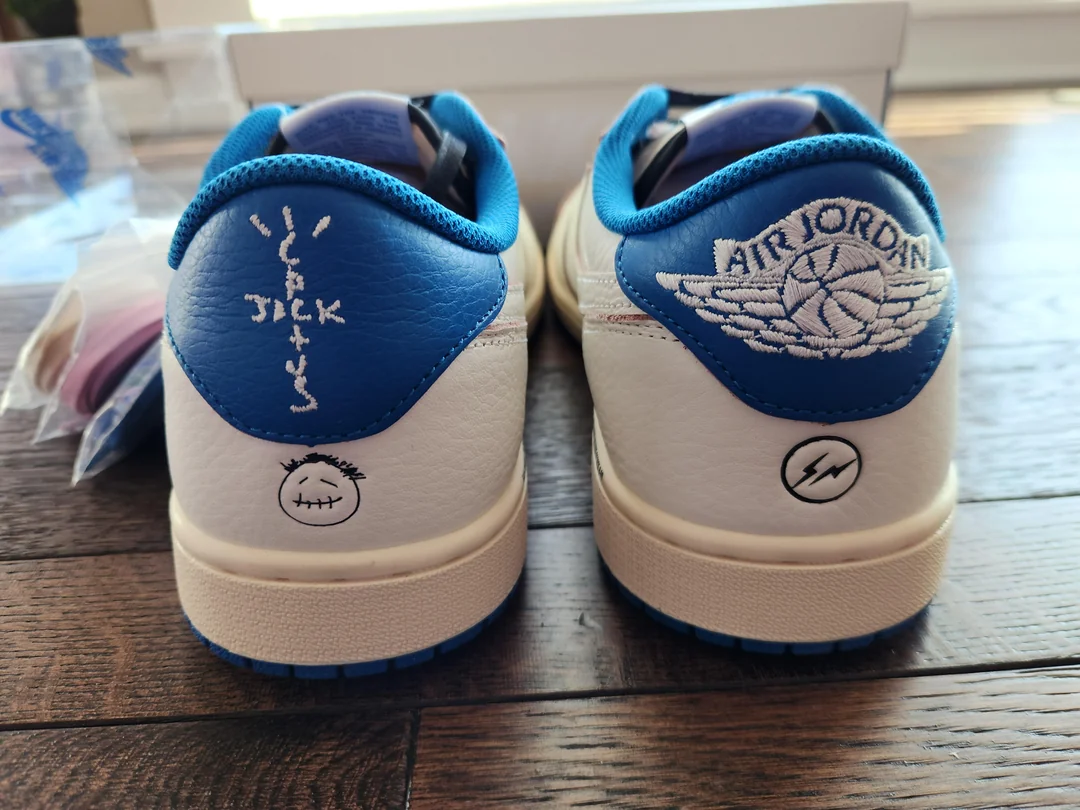
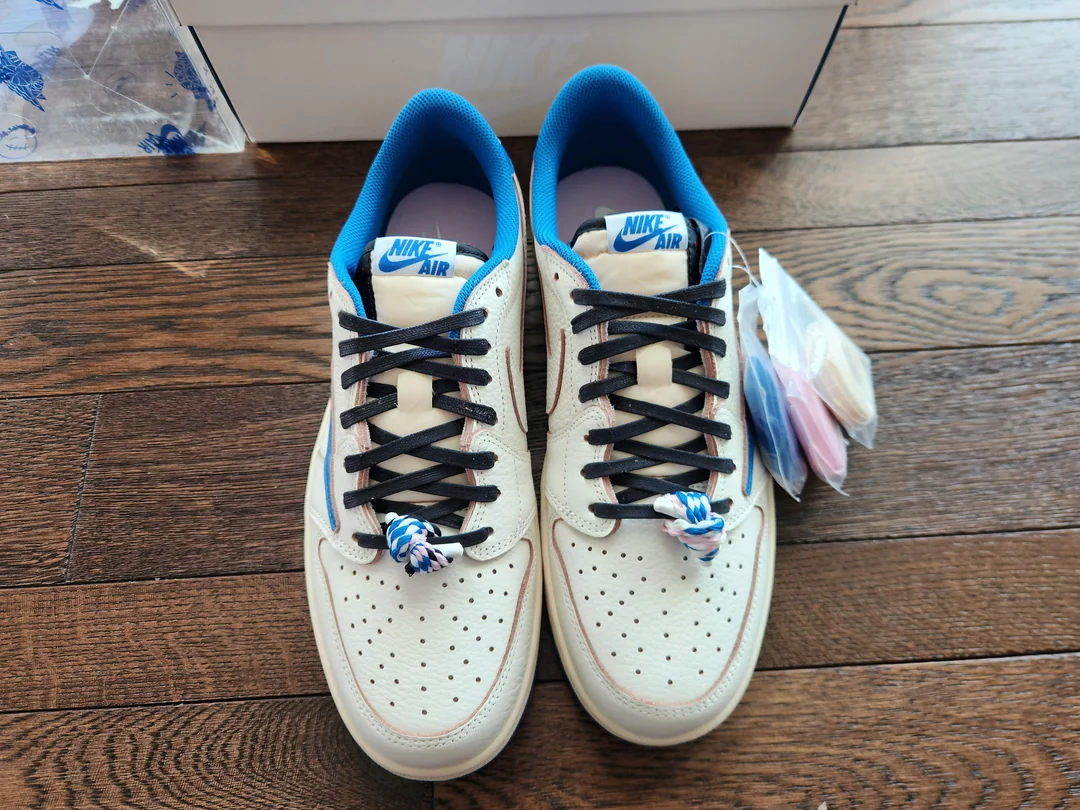
The Fragment-style pair was a giveaway prize. The remaining three pairs were added to the shipment. Historical prices and the shipping discount describe this parcel only.
How a giveaway pair became a four-pair shipment
A giveaway Fragment-style Jordan pair was the starting point for this Fishgoo delivery. Three SB-style pairs were added, creating a four-pair parcel sent to the USA by sea. The purchasing feedback was positive about help with arranging the additional shoes. This is useful context for the shipment, but the giveaway pair should not be treated as a normal paid purchase when comparing the total item budget.
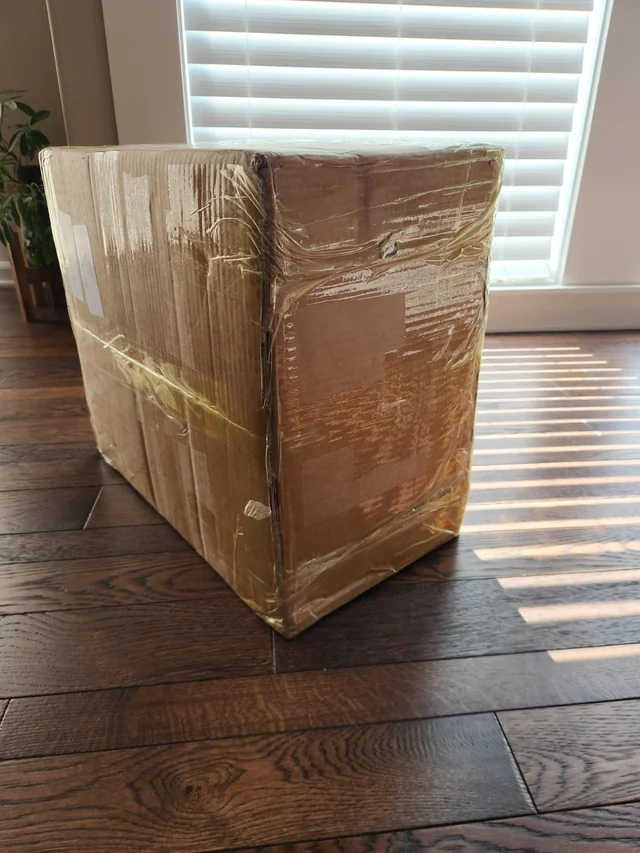
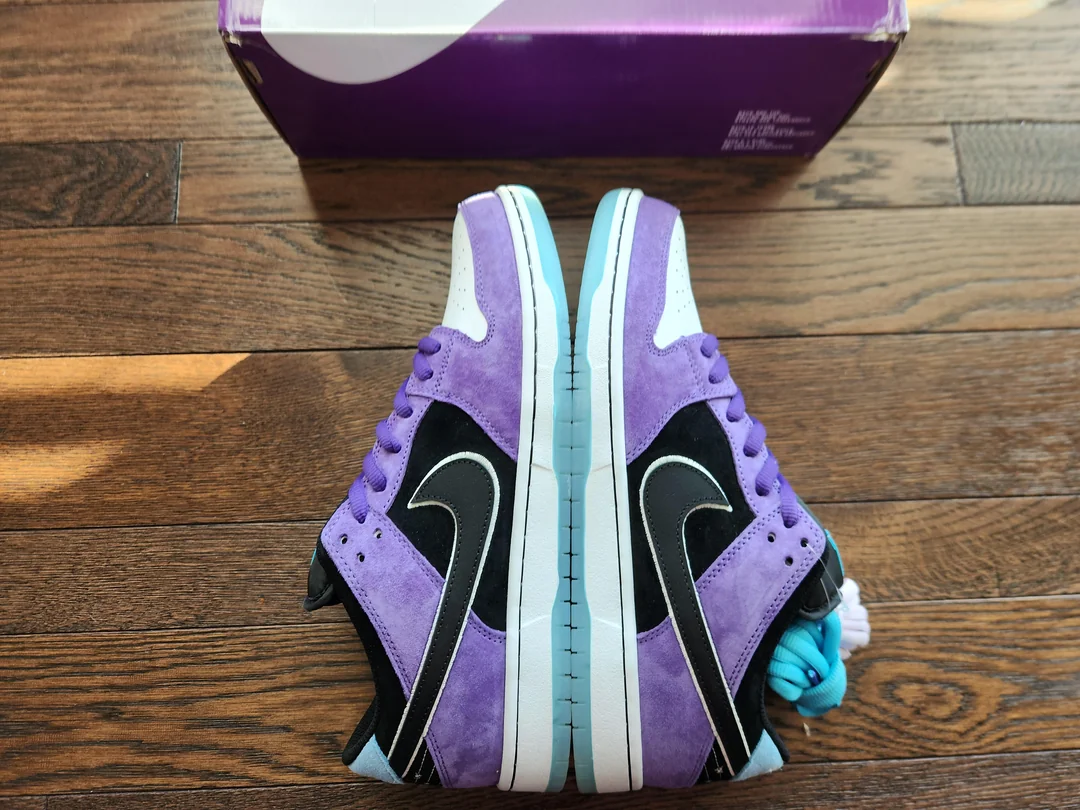
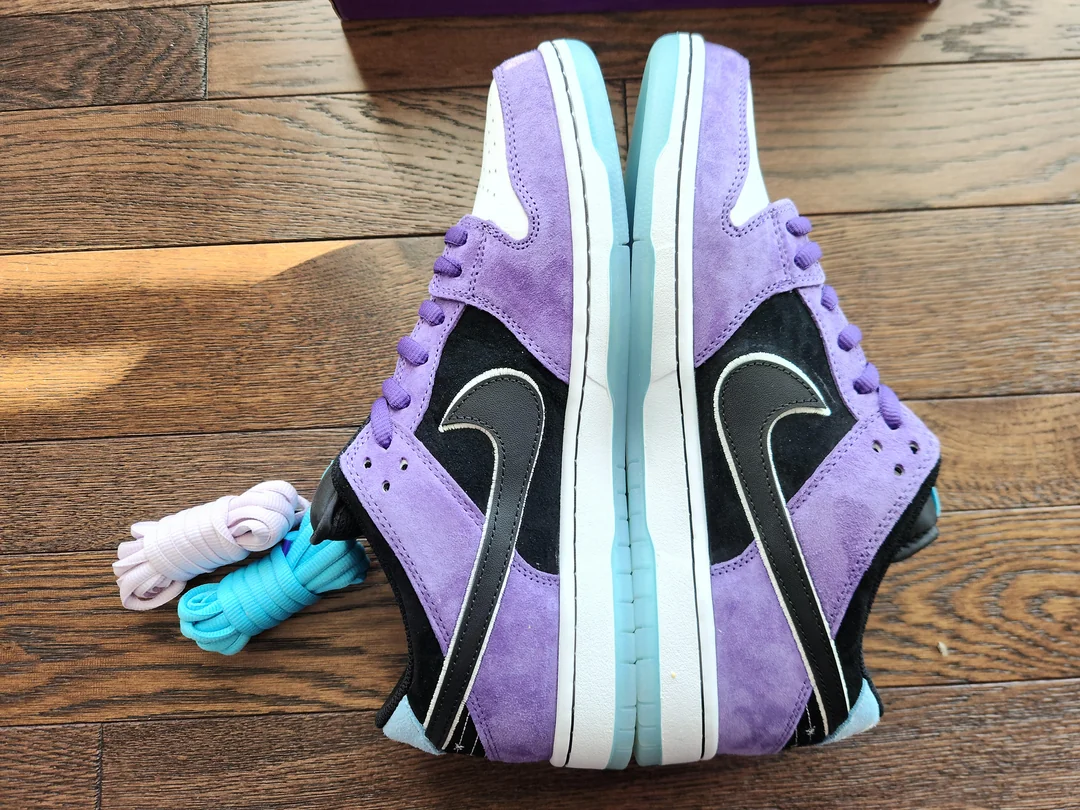
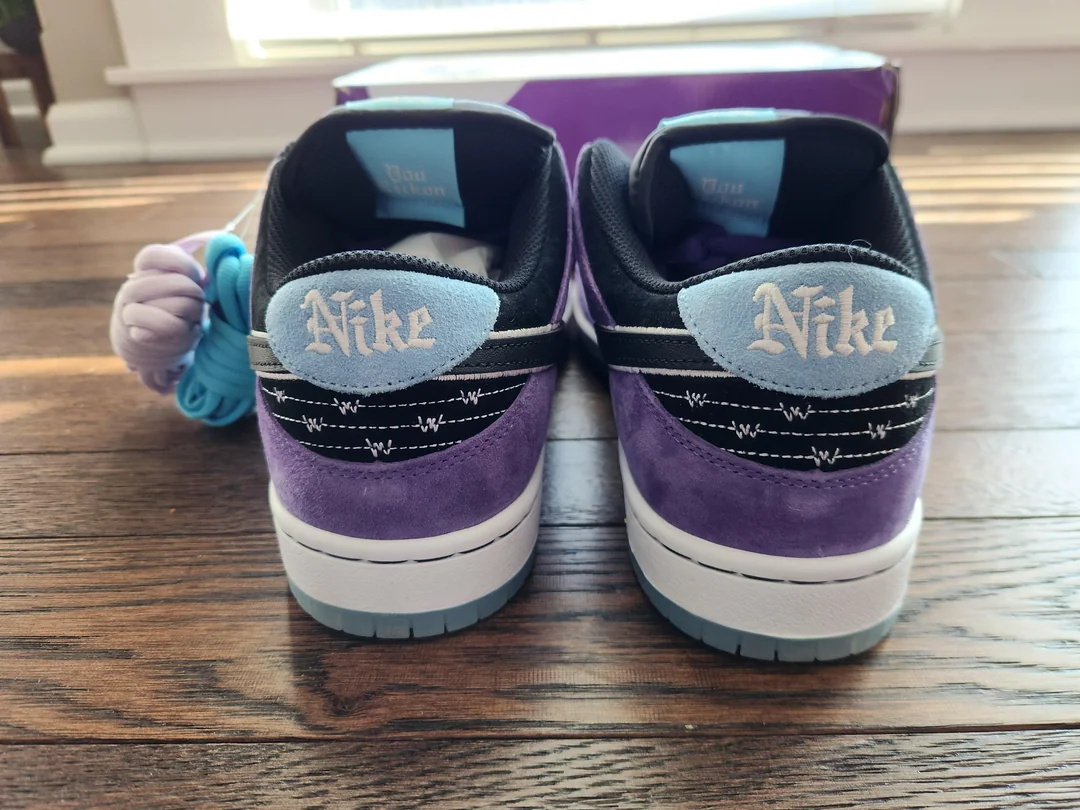
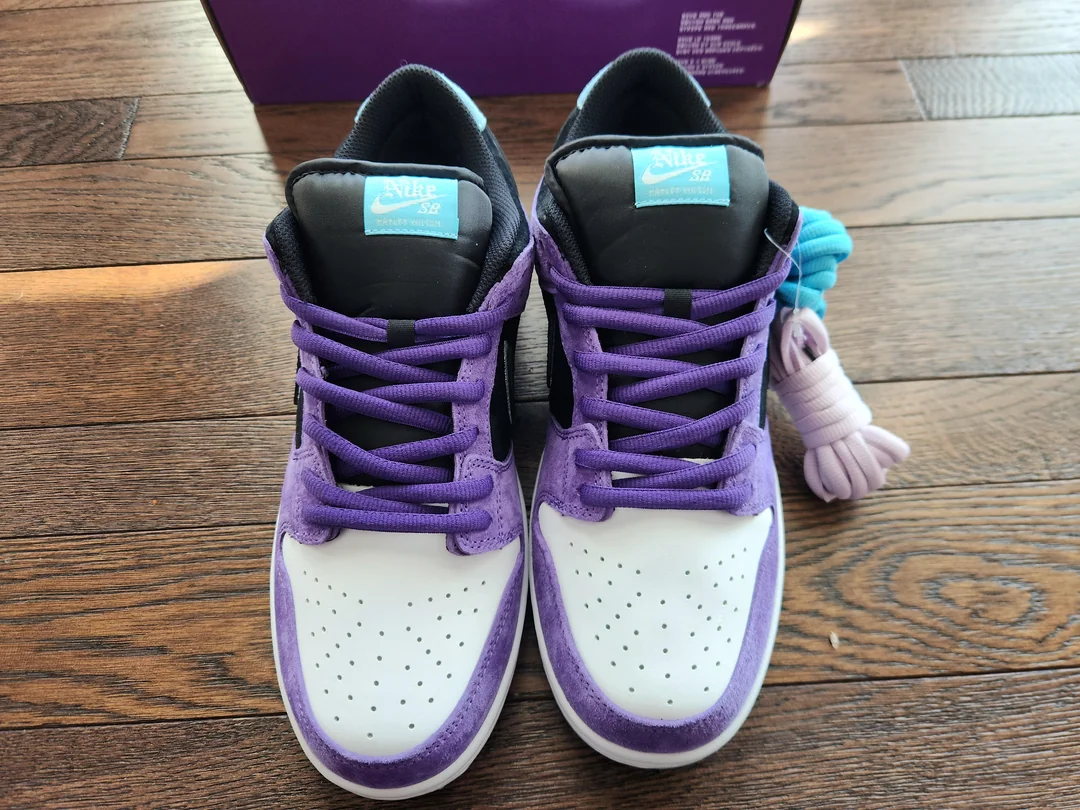
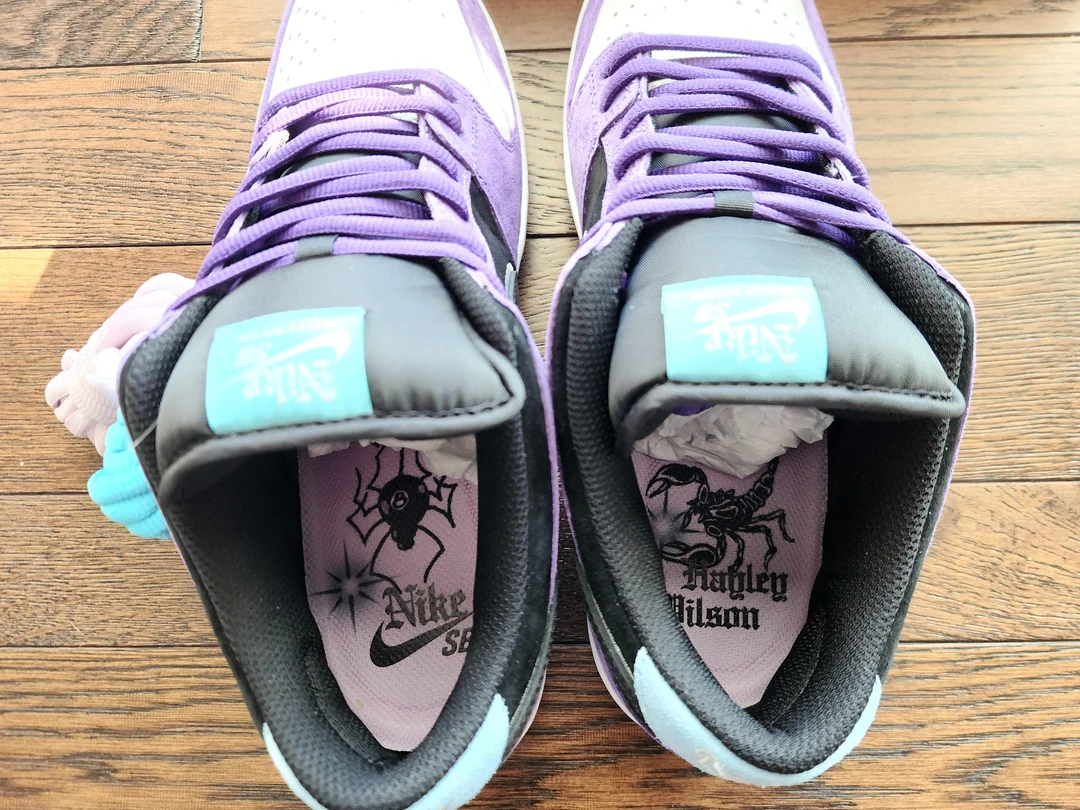
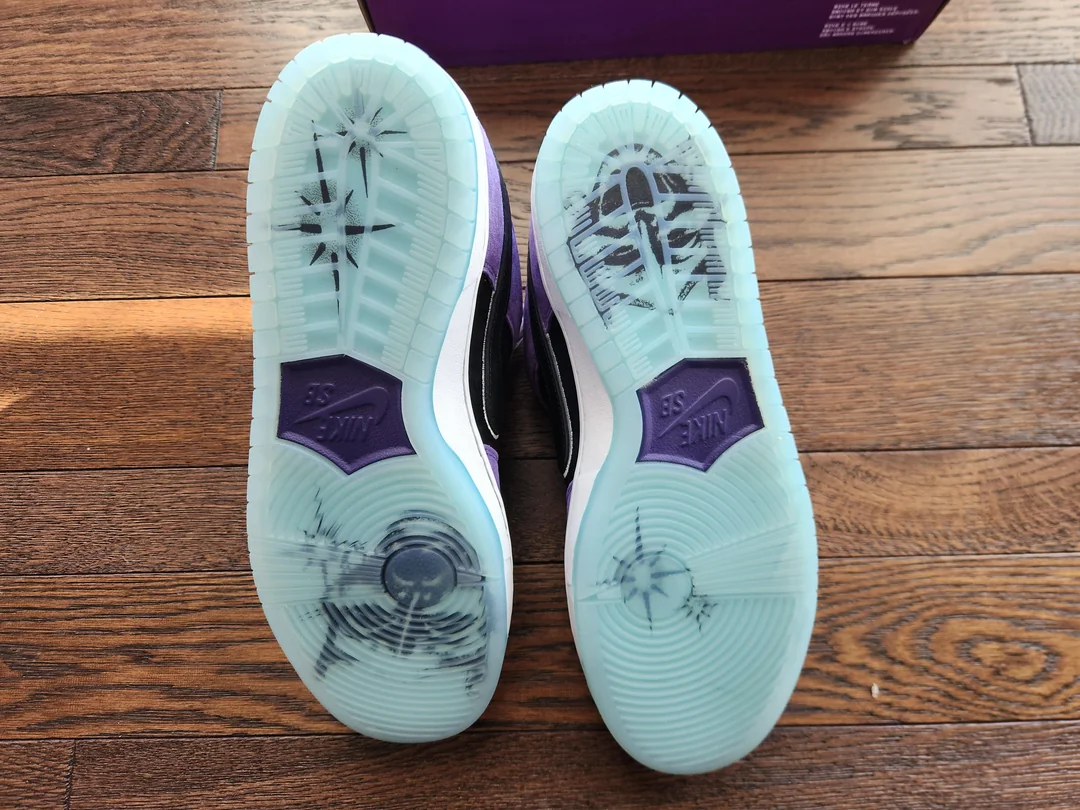
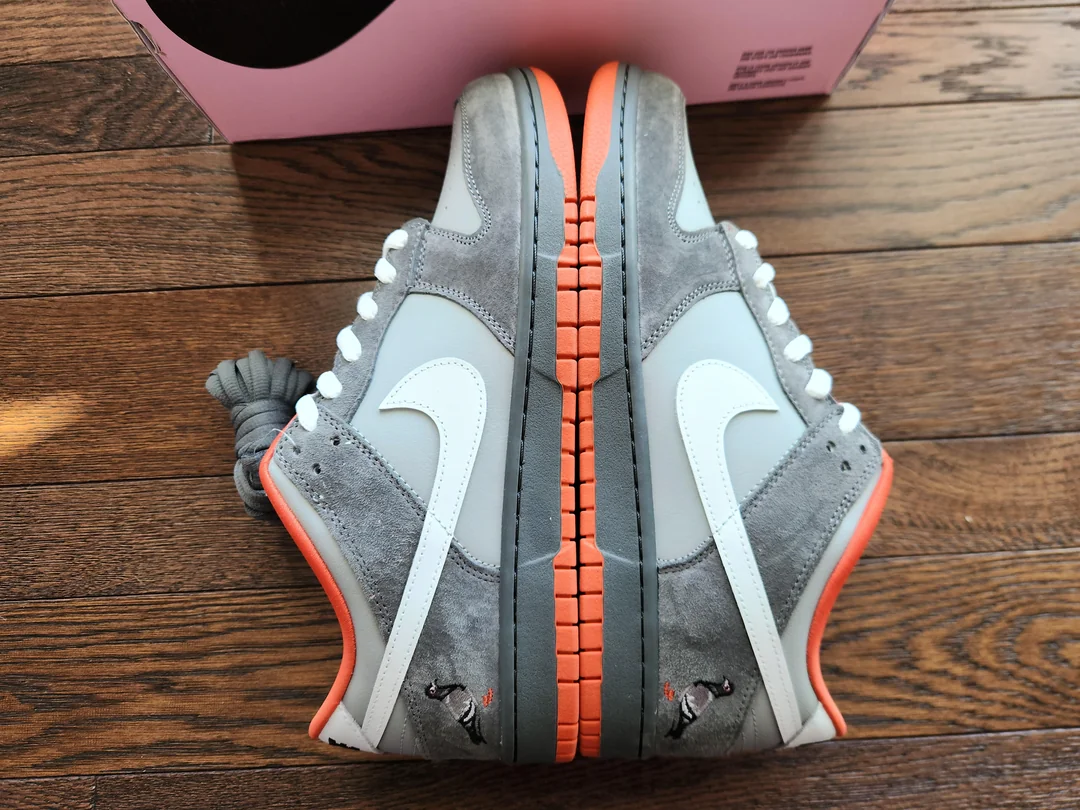
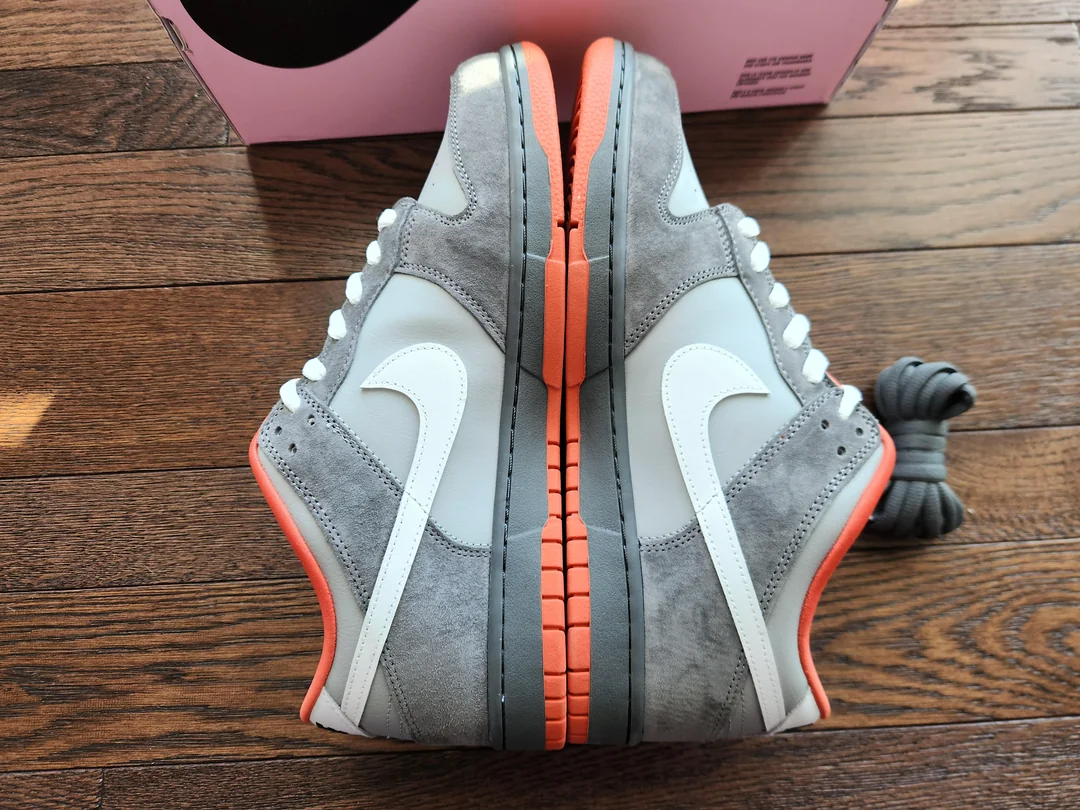
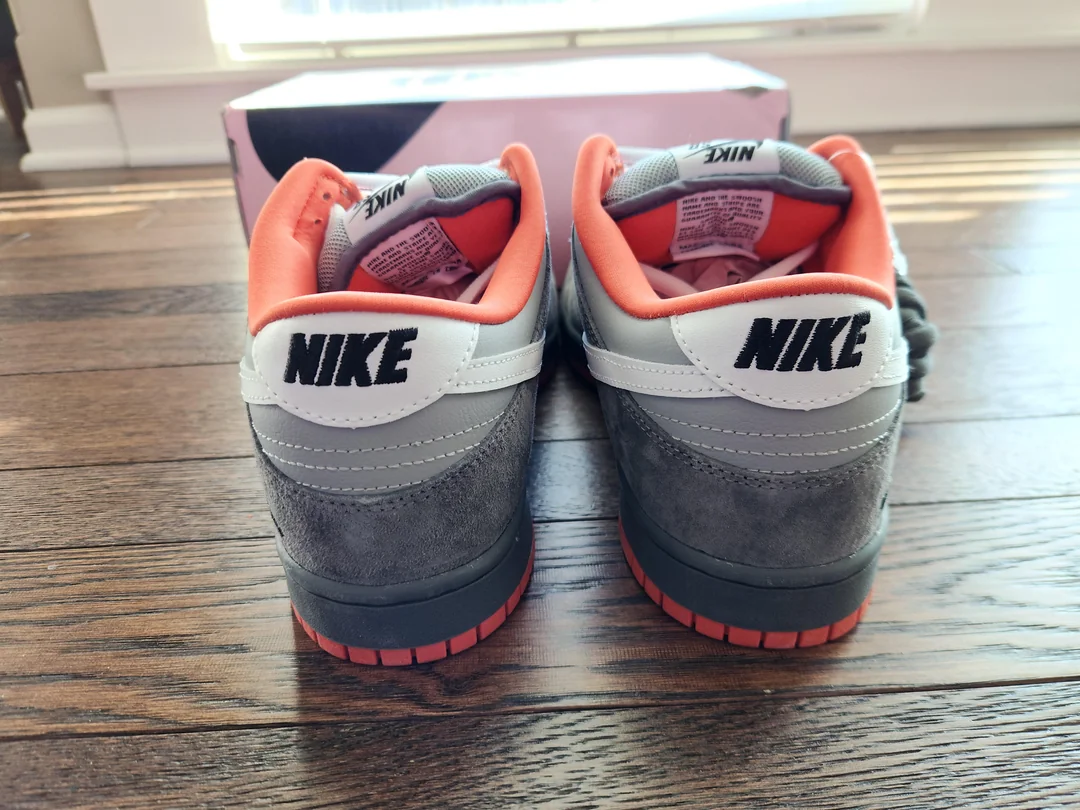
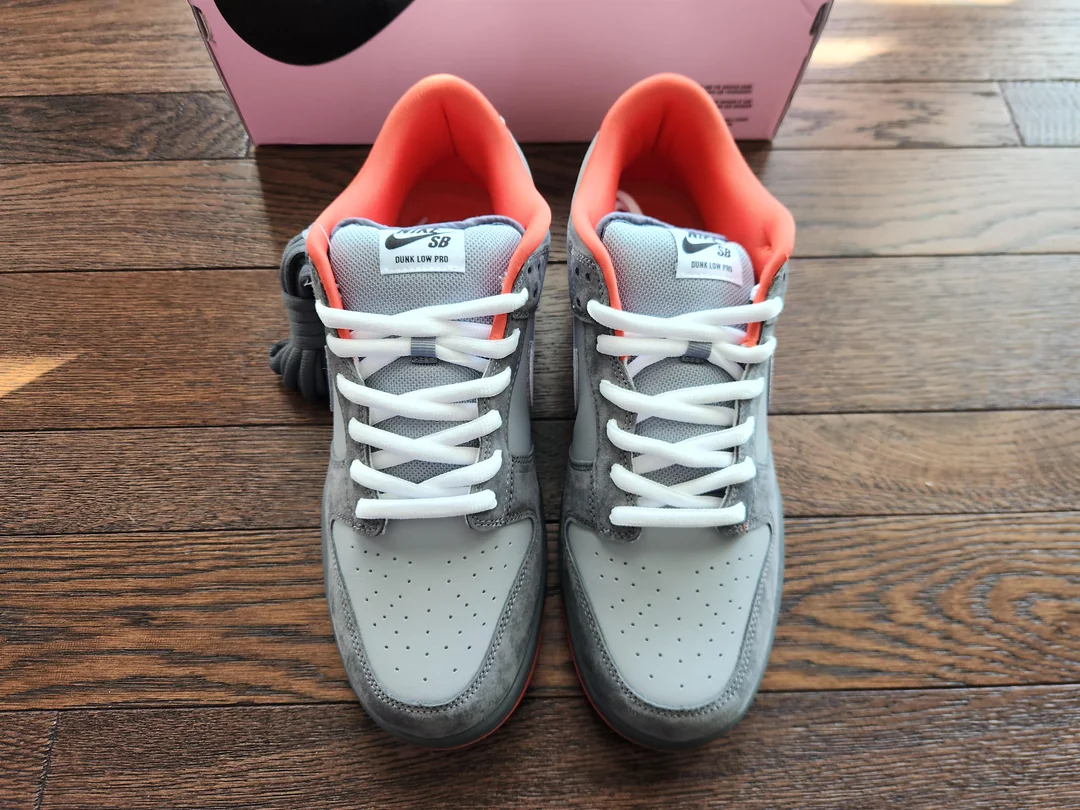
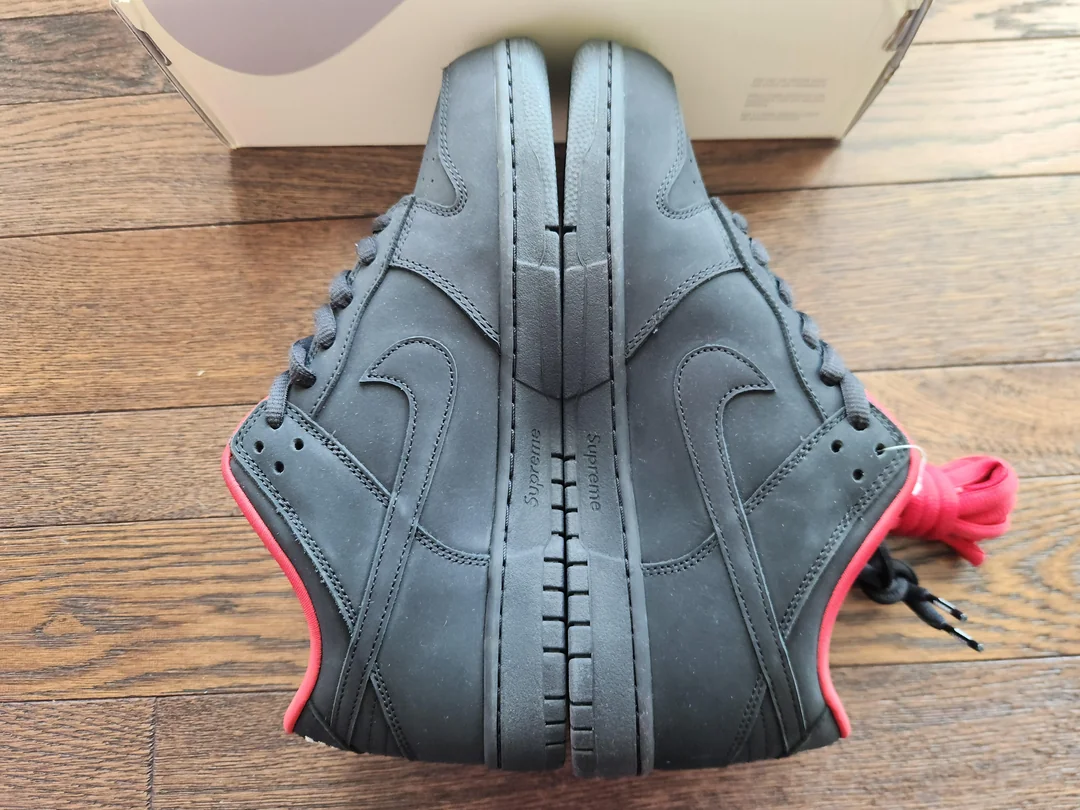
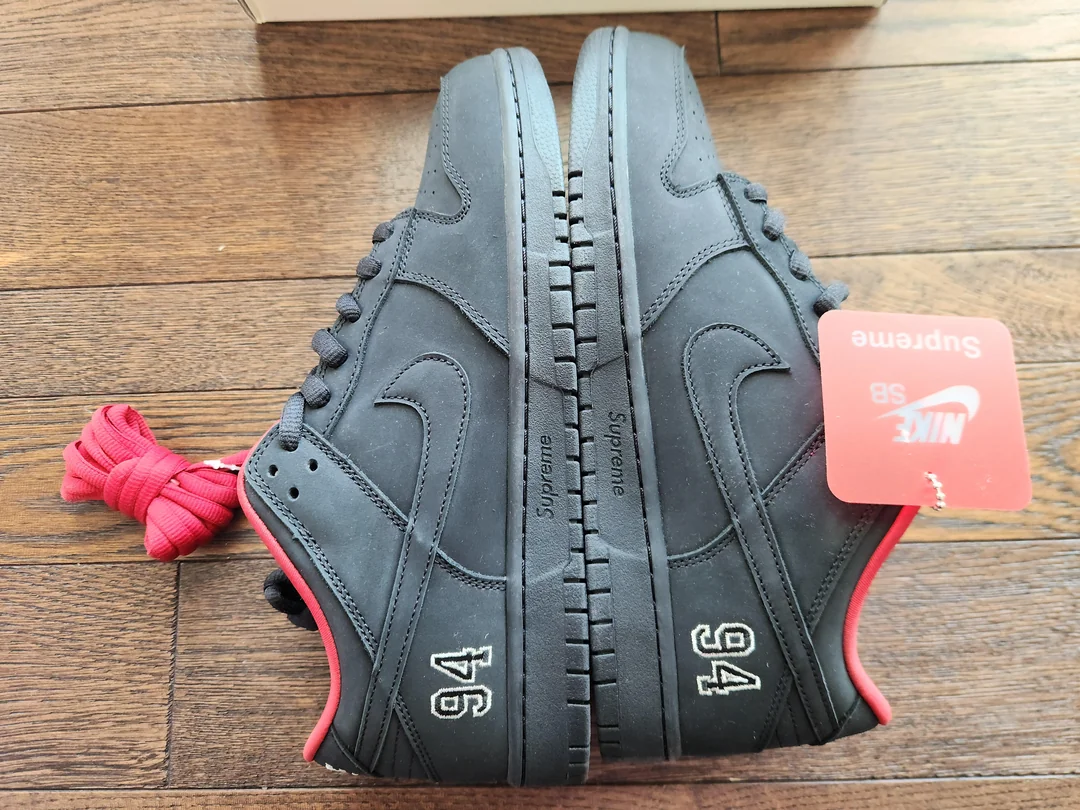
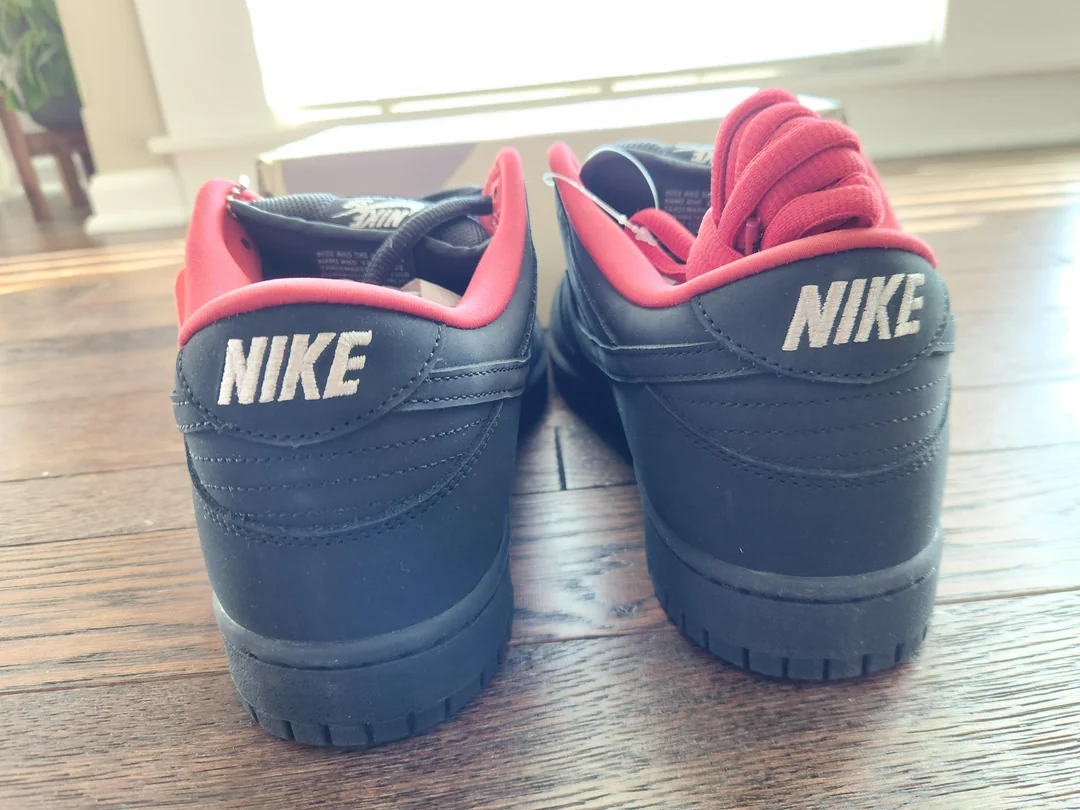
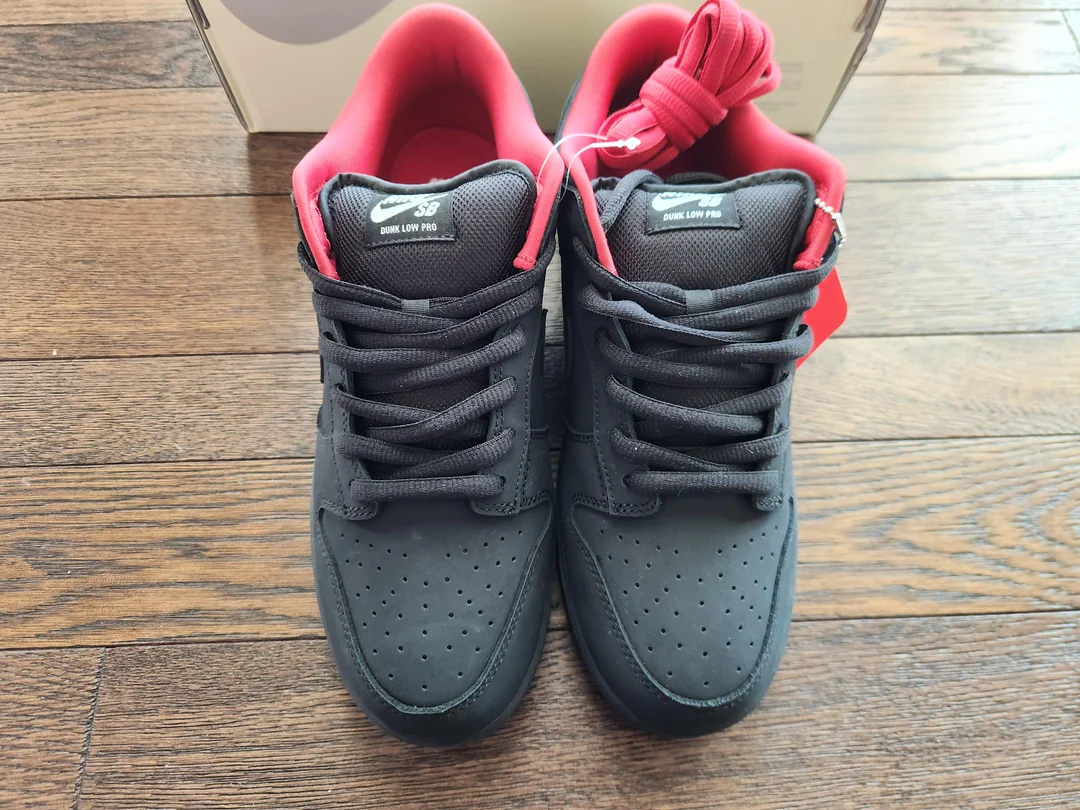
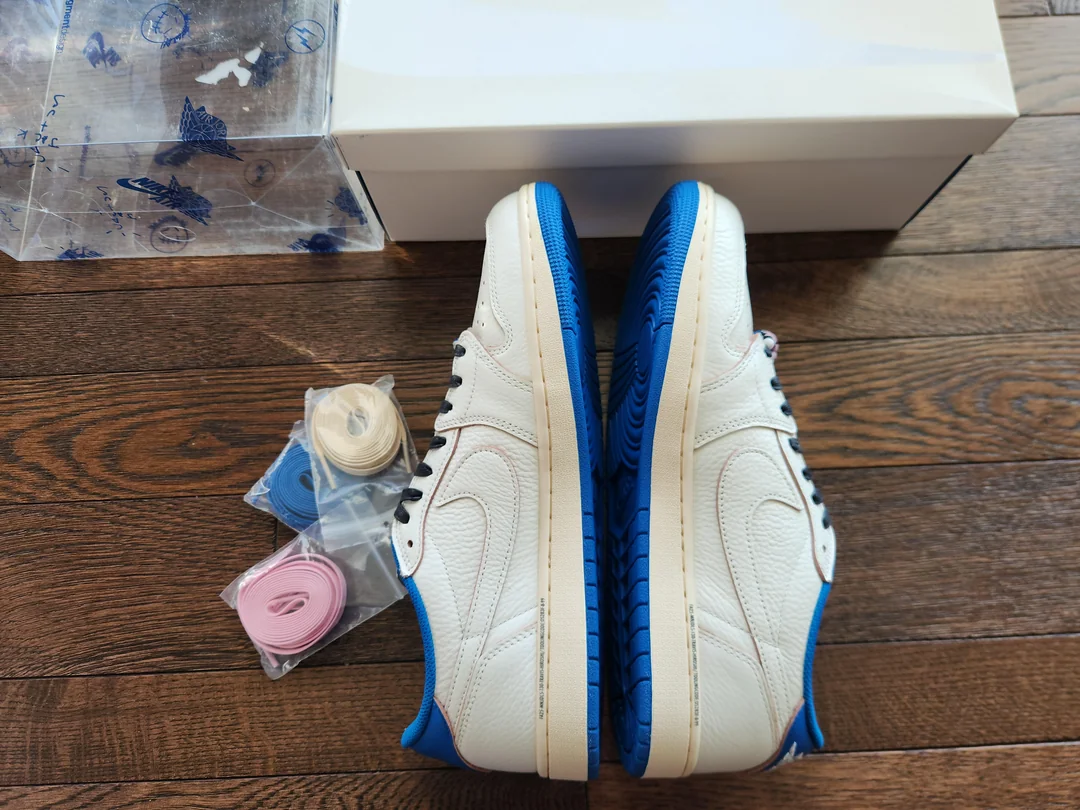
The gallery documents the delivery box, then groups photographs by pair: purple Hayley Wilson-style shoes, grey Pigeon-style shoes, black-and-red Supreme-style shoes and white-and-blue Fragment-style low-tops. Keeping the angles together makes the side, heel, front and sole photographs easier to read as a set.
Shipping cost: actual weight, volumetric weight and payment
Actual weight was 6.65 kg and the stated volumetric figure was approximately 9 kg. The initial shipping charge was $92; the historical discounted payment was $86.80. The difference is $5.20, approximately 5.7% of the initial charge. These numbers describe the shipment’s recorded payment, not a live sea-line offer.
At that payment, dividing by actual weight produces about $13.05 per kilogram. Dividing equally across four pairs produces $21.70 per pair. Both are retrospective allocations: they do not identify the carrier’s billing formula, and they do not mean another shoe or another kilogram can be added at the same rate. The stated volumetric figure was around 35% higher than actual weight, so comparing only the 6.65 kg figure would also leave out a relevant part of the parcel information.
| Calculation | Result | What it represents |
|---|---|---|
| $92 − $86.80 | $5.20 | Difference between initial charge and payment |
| $86.80 ÷ 6.65 | About $13.05/kg | Payment allocated over actual parcel weight |
| $86.80 ÷ 4 pairs | $21.70/pair | Equal allocation, not an individual-pair shipping quote |
| About 9 kg versus 6.65 kg | About 35% higher | Comparison of stated volumetric and actual figures |
The January-to-March delivery timeline
The parcel was submitted on 15 January 2026, handed to the sea carrier on 19 January and delivered by UPS on 12 March. US arrival was estimated at 1–6 March, rather than identified as one exact port-arrival date. The dates give 52 days from carrier handover to delivery and 56 days from submission to delivery.
That four-day difference is easy to lose when comparing shipping reviews. A person planning around the carrier handover date is measuring a different interval from someone counting from the moment the parcel was submitted. The estimated arrival range also leaves roughly 6–11 days before doorstep delivery; it should stay a range rather than becoming a precise customs or final-mile duration.
| Milestone | Recorded date | Elapsed time / precision |
|---|---|---|
| Submission | 15 January 2026 | Start of the full parcel-submission interval |
| Sea-carrier handover | 19 January 2026 | 4 days after submission |
| Estimated arrival in the USA | 1–6 March 2026 | A date range; exact arrival unconfirmed |
| UPS home delivery | 12 March 2026 | 52 days after handover; 56 after submission |
The four shoe references and their listed item prices
The following amounts were listed against the shoes in this case. They are item-price references in CNY, separate from the USD shipping payment. The three added SB pairs total ¥910 at those listed prices; that arithmetic is not a confirmed checkout invoice after any negotiated adjustments. The Fragment-style pair was a prize, so its listed value is not evidence of a ¥460 payment.
| Pair | Listed reference | Gallery photographs |
|---|---|---|
| Hayley Wilson-style SB · TOP/S2 | ¥320 | 2–7: side, heels, front, interior and soles |
| Pigeon-style SB · TOP/S2 | ¥310 | 8–11: sides, heels and front |
| Black/red Supreme-style SB · M | ¥280 | 12–15: sides, heels and front |
| Fragment-style Jordan low-top · LJR | ¥460 listed; giveaway item | 16–19: sides, heels and front |
Hayley Wilson and Pigeon: two contrasting SB colour directions
The purple pair combines dark side panels with a lighter forefoot and a pale blue-green sole. Its six photographs provide the broadest angle coverage in the gallery: both sides, heels, front, interior and outsoles. The material feedback was favourable. Visually, the interior and outsole photographs add a different kind of information from the exterior panels, documenting details that a side-only listing image leaves out.
The grey pair takes a more restrained upper and adds orange-red lining and a small embroidered bird detail. The side views are especially useful for that contrast between upper and sole edge, while the heel view separates the back lettering from the overall silhouette. These two pairs illustrate how a relatively similar shoe shape can produce a very different look through lining colour, panel contrast and small decorative details.
Supreme-style black/red and the white/blue Fragment-style pair
On the black-and-red pair, most of the upper and sole stay dark; the lining, spare red laces and pale embroidered numbers stand out. The paired side photograph shows why checking both shoes matters: the orientation of the heel numbers changes with the angle, while the dark stitching and side panels are easiest to inspect against the wooden background. The arrival feedback favoured this pair’s finish.
The white-and-blue Jordan low-tops have a different balance of colour. Blue lining and side accents sit above a pale sole, with black laces crossing a cream-coloured tongue. The toe photograph shows a visibly textured surface, the aspect that attracted less enthusiasm in the material feedback. Satisfaction with construction and preference for a particular texture are separate judgments; a well-received arrival does not mean every design detail suited the buyer equally.
The practical trade-off in this US sea-line case
The payment becomes useful when it is read beside the calendar. This parcel crossed January, February and March before home delivery. It offers a concrete example for someone willing to wait, but no support for planning an urgent event around a fast arrival. The carrier dates, approximate volumetric figure and giveaway context all belong beside the headline price.
For a similar shortlist, keep the item references and shipping calculations in their own currencies until there is a current conversion and checkout total. The arrival photos can help narrow down colour and shape; the transport record can help define how much waiting was acceptable in this case. Neither establishes a future route price or the exact outcome of a different order.
Related research & buyer shares
- 10.8 kg Fishgoo shoe haul: arrival-photo details →
Compare paired shoe angles; shipping payment and duration are unconfirmed.
- Fishgoo shipping calculator and volumetric weight →
Compare packing, route inputs and the complete parcel budget.