
Small accessory arrival · Updated · 5 photos
Fishgoo Wallet Mystery Box — Cardholder QC & Arrival Photos
A wallet mystery box produced a blue patterned cardholder. Compare its warehouse and arrival photos for slot openings, stitched edges and pattern placement. The case has no confirmed purchase price, material specification or wear test.
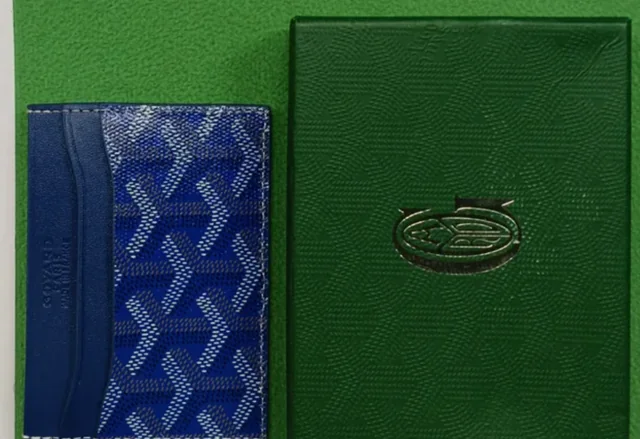
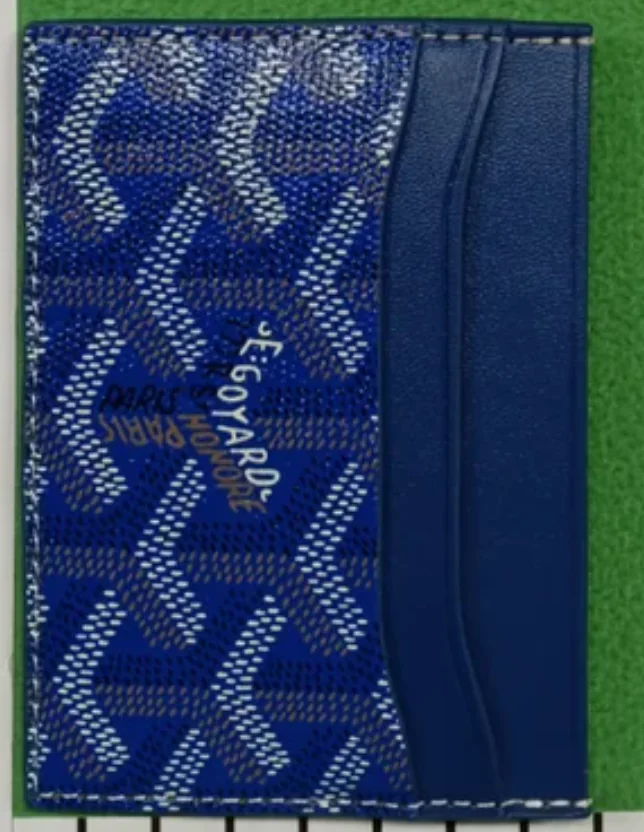
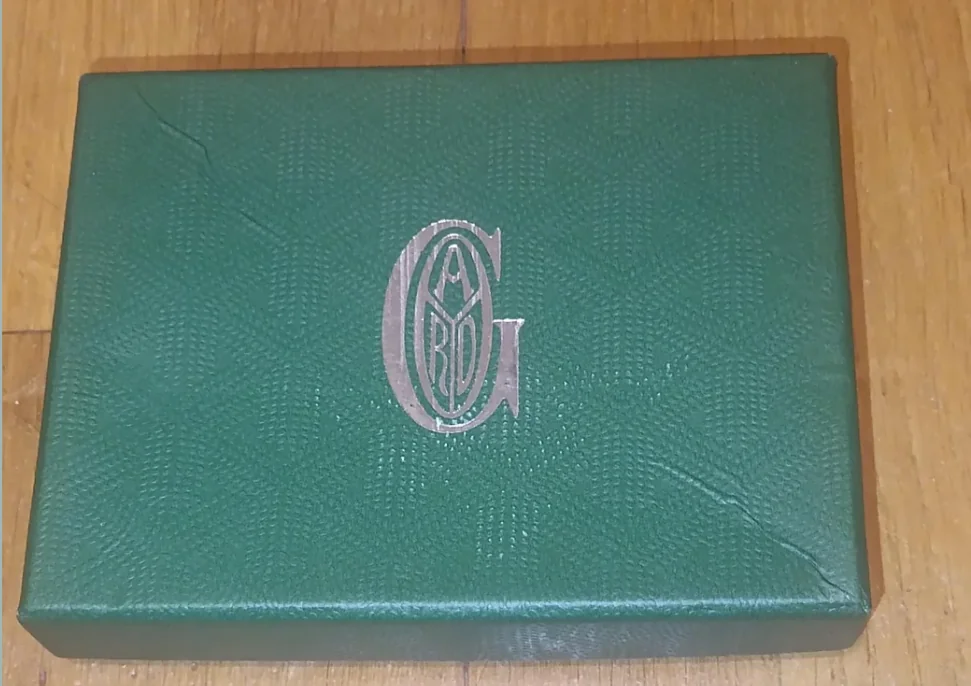
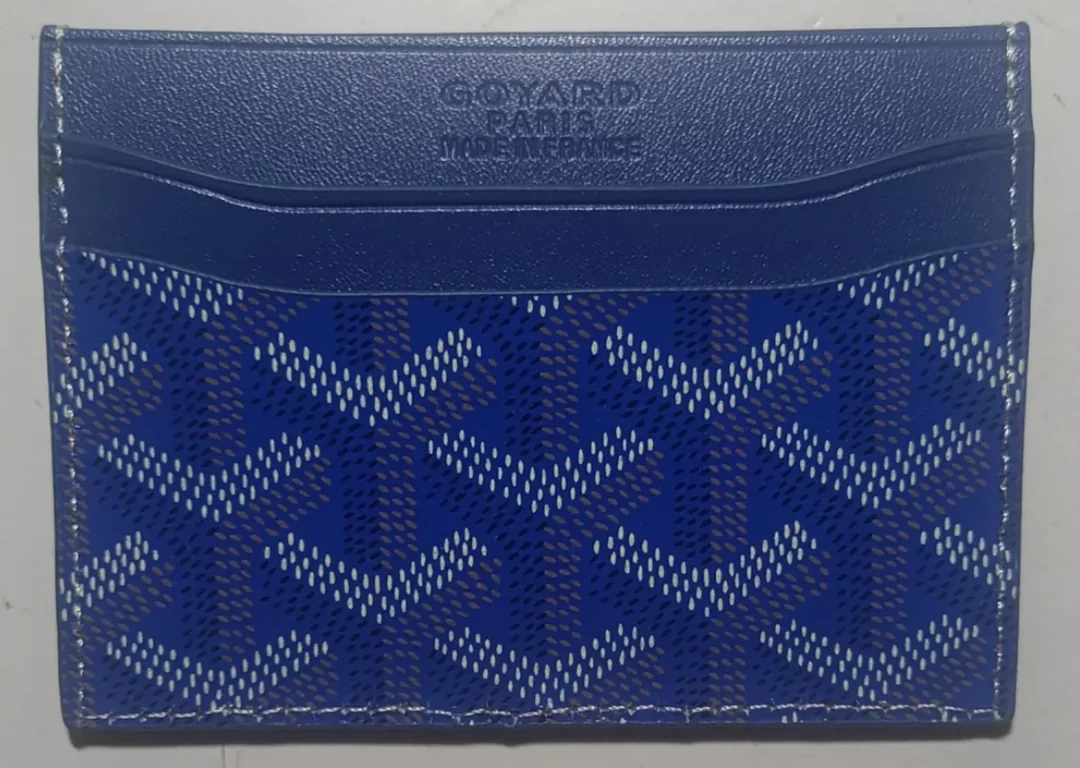
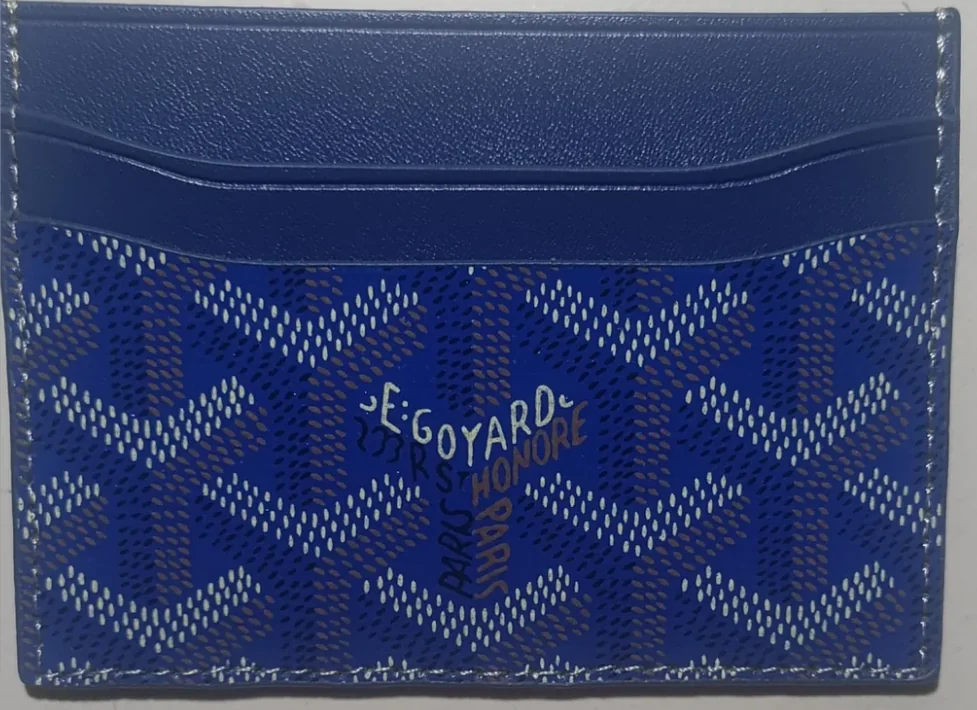
The first two photographs are warehouse views; the remaining photographs show the packaging and cardholder after arrival.
A small mystery-box result with two stages of photographs
This Fishgoo wallet mystery box resulted in a blue Goyard-labelled cardholder with green packaging. The first two images show the warehouse stage; the other three show the box and cardholder after arrival. The initial reaction was positive about its stitching and feel in hand. No confirmed purchase price, international shipping payment, parcel weight or transit duration accompanies the case.
The result is a cardholder rather than a conventional folding wallet. That distinction is important to the visual comparison: the photographs show a slim rectangular form, curved slot openings and a patterned exterior. They do not show a hinge, a folding section or the cardholder filled with cards. The useful question is how the visible accessory was finished, rather than how a larger wallet would perform.
Warehouse QC: the complete accessory before dispatch
In the warehouse photographs, the patterned blue accessory sits beside green packaging against a green background. The full-item view establishes the general shape and the position of the repeated pattern. The second view moves closer to the cardholder itself, allowing the pattern and border to be compared without the box taking up as much of the frame.
These views are useful because they preserve the accessory as it looked before the arrival close-ups. A box beside the item supplies packaging context, but not a material specification or a measurement. There is no readable ruler establishing exact width or height, so the photographs should not be used to assign standard dimensions from a retail product with a similar name.
Arrival close-ups: slot edges, stitching and the centre pattern
The arrival photographs use a light background and show both patterned faces. One view makes the dark upper band and its curved slot edges particularly legible; the other brings the central lettering into the repeated pattern. The border stitching runs around the lower edge and both sides, so it can be followed across more of the accessory than in a distant whole-item view.
Several lighter flecks are visible around the bottom seam in the close-ups. They are worth noticing when comparing finish, but the photographs do not establish whether they are surface residue, reflections or a lasting defect. The positive stitching impression is one piece of feedback; a close-up provides a more specific record of what the edge actually looked like.
The plain upper area also has a visible grain-like texture that differs from the patterned area below it. That is an appearance observation, not proof of composition. A material can feel substantial without its fibre, coating or backing being established by the photograph.
What changes between the warehouse and arrival views
The blue looks different against the green warehouse setting and the pale arrival background. Before treating that as a product change, compare stable features: the curved slot line, the rectangular border and the position of the pattern around the centre. Those give a more useful visual correspondence than comparing one colour patch across two lighting conditions.
| Image group | What is visible | What is not demonstrated |
|---|---|---|
| Warehouse · 1–2 | Whole accessory, patterned face and green packaging | Exact dimensions or loaded capacity |
| Arrival box · 3 | The green box after delivery | Material or construction of the cardholder |
| Arrival close-ups · 4–5 | Curved slot edges, border stitching and centre lettering | Slot tension with cards or long-term wear |
A satisfactory result, with practical details still open
The case records a pleasing first impression and enough images to examine the finish from more than one stage. It does not establish how tightly cards are held, whether the edge remains neat after daily use or how the accessory fits a particular pocket. There is no loaded-card photograph or extended wear record to answer those questions.
That leaves a useful, specific conclusion: this was a visually documented mystery-box result with positive arrival feedback. Someone choosing a cardholder can use it to decide which visible features matter most—slot shape, stitched border or pattern placement—then look for that information on an exact listing. It would be misleading to turn one successful surprise into a guaranteed model, colour, price or quality level for another mystery box.
Related research & buyer shares
- Leather, PU and coated-fabric comparisons →
Separate surface appearance from a confirmed material specification.
- Fishgoo warehouse storage and consolidation →
Track individual orders, deadlines and packing decisions.